
 Schedule Online

Periodontal Care in Jonesboro, AR!
Your gums are the structural foundation for your teeth and jawbone. If signs of gum disease or advanced periodontal distress are affecting the health of your gums and the surrounding regions, we highly recommend scheduling periodontal care with our team in Jonesboro, AR.
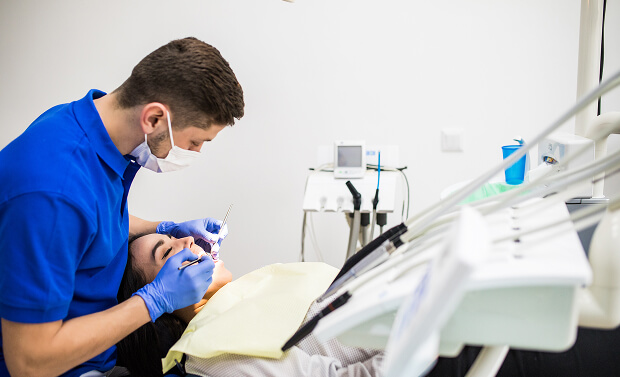
Routine periodontal care allows us to focus on the health of your gums to encourage a healthy, long-lasting smile. Contact Wagner Langston Family Dentistry today to schedule your appointment!
Call Now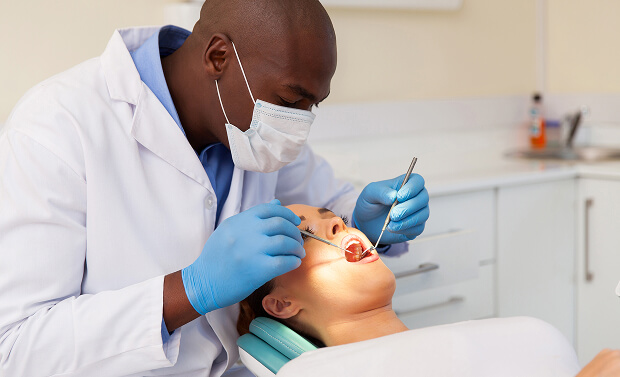
What is periodontal disease?
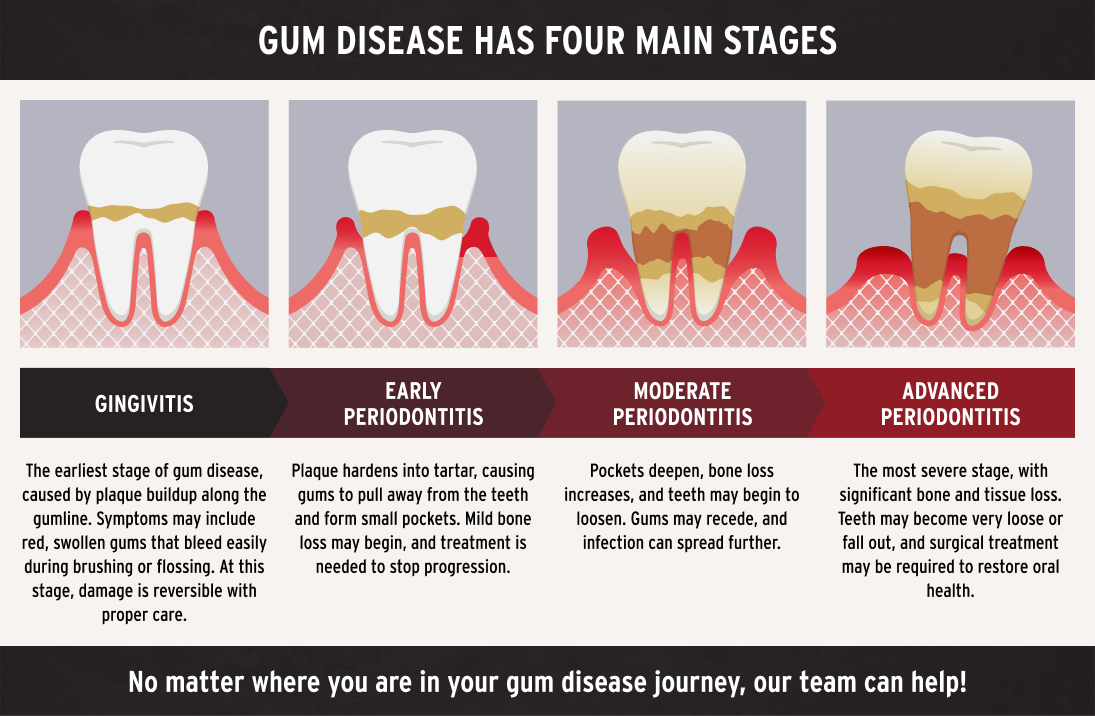
Periodontal disease, also known as gum disease, is a chronic condition that affects the gum and jawbone tissues. Periodontal issues typically begin with gingivitis, causing redness and inflammation of the gums, before progressing to more severe stages if left untreated. At the severe stages, the condition is then referred to as periodontal disease, which can be accompanied by gum recession, tooth mobility, and even tooth loss.
Stages of
Gum Disease

Gingivitis (Early Stage)
Gingivitis is the earliest and most reversible stage of periodontal disease. Gums may appear red, swollen, or bleed easily when brushing and flossing. At this point, the infection is limited to the gum tissue and has not affected the bone. Professional cleanings and improved home care can often restore gum health completely if caught early.

Early Periodontitis
In early periodontitis, the infection begins to move below the gumline and starts affecting the supporting bone. You may notice persistent bad breath, gum tenderness, or slight gum recession. Pockets begin forming between the teeth and gums, trapping bacteria. Treatment typically involves deeper cleanings, such as scaling and root planing, to stop the progression.

Moderate Periodontitis
As the disease advances, gum pockets deepen and more bone is lost. Gums may recede further, teeth can feel sensitive, and chewing may become uncomfortable. Bacteria are harder to remove with routine brushing alone. Ongoing periodontal maintenance and professional care are necessary to manage the infection and protect remaining bone support.
Advanced Periodontitis
In the most severe stage, significant bone loss occurs, and teeth may become loose or shift position. Gums may pull far away from the teeth, and infection can impact overall health. At this stage, more complex treatments such as surgical therapy or tooth replacement options may be needed to restore function and comfort.
Frequently Asked Questions
What are the symptoms of periodontal disease?
The symptoms of periodontal disease will vary in severity, but the following signs may prompt you to seek gum disease treatment:
- Red, swollen, or bleeding gums
- Persistent bad breath
- Loose teeth
- Receding gums
- Pain while chewing or speaking
What are the causes of periodontal disease?
In many cases, periodontal disease is caused by an accumulation of plaque and food particles on the teeth. When plaque isn’t properly removed through regular brushing and flossing, it can harden into tartar, leading to gum inflammation. Other factors like smoking, genetics, and underlying health conditions can also increase the risk of periodontal disease. Following a consistent oral hygiene routine and maintaining regular dental visits are the most effective ways to prevent signs of gum disease.
How often do I need to schedule periodontal maintenance appointments?
Most patients who have been treated for gum disease benefit from periodontal maintenance visits every three to four months. These appointments are more frequent than routine cleanings because bacteria can quickly return below the gumline. Regular maintenance allows us to remove buildup in deeper areas, monitor gum health, and prevent the disease from progressing. Your recommended schedule will depend on the severity of your condition and how well your gums respond to treatment.
How can I take care of my gums at home?
Healthy gums start with consistent daily care. Brush twice a day with a soft-bristled toothbrush, floss carefully along the gumline, and consider using an antibacterial mouth rinse if recommended. Cleaning between teeth with floss or interdental brushes is especially important for removing plaque where gum disease begins. Maintaining a balanced diet, staying hydrated, and avoiding tobacco products also plays a key role in keeping your gums healthy between visits.
Contact Us