
 Schedule Online
Is Botox Safe for Jaw Pain Relief?
May 20, 2026 9:00 amWhen your jaw aches day after day, it can start to affect parts of life that seem unrelated at first. Chewing feels tiring. Your temples may feel sore. You may wake up with a tight face or catch yourself clenching while driving, working, or trying to fall asleep. After a while, it is easy to wonder whether there is something beyond a nightguard or warm compress that could help.
Botox is one option some patients ask about for jaw pain, especially when the pain seems tied to overworked jaw muscles from clenching or grinding. It works by relaxing targeted muscles so they cannot contract as strongly. For the right patient, that may help reduce muscle tension, facial soreness, and pressure from heavy clenching. However, Botox is not the right answer for every type of jaw pain, and it should be recommended only after the cause of the pain has been evaluated.
At Wagner & Langston Family Dentistry in Jonesboro, AR, Dr. Katy Wagner and Dr. Jacob Langston can help patients understand whether jaw pain is coming from muscle overuse, bite issues, TMJ concerns, or another cause. From there, they can discuss whether Botox may fit into the plan or whether another treatment would make more sense.
How Botox May Help With Jaw Pain
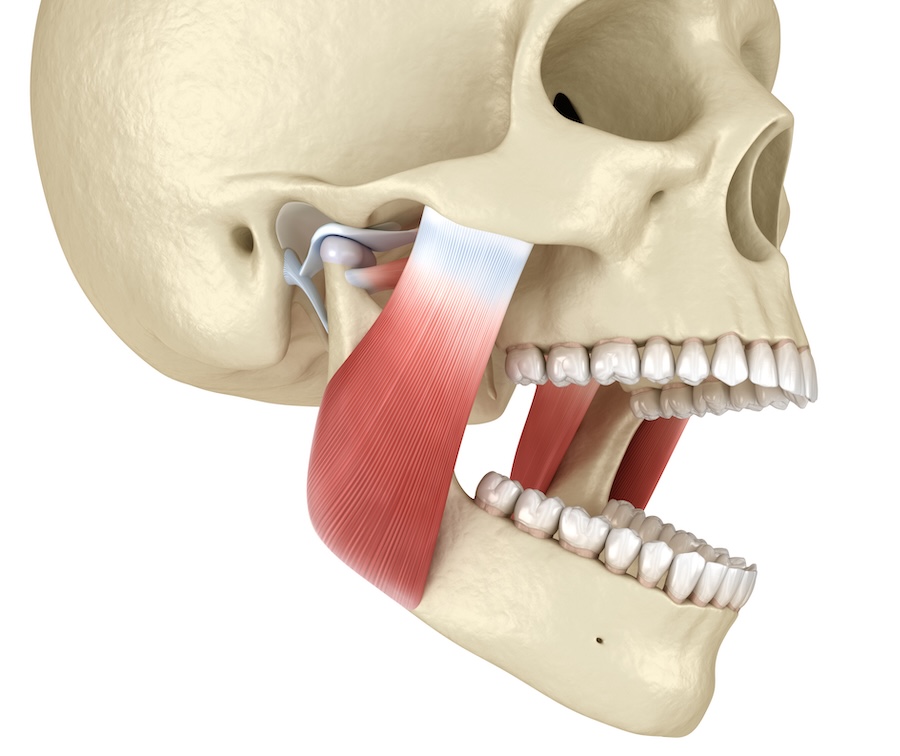
Botox is a form of botulinum toxin that temporarily reduces muscle activity. In dentistry, it may be considered when jaw pain is connected to muscle tension, clenching, or grinding. The most common area discussed for this type of treatment is the masseter muscle, which is one of the main muscles used for chewing and clenching.
When the masseter muscles work too hard, they can become sore, bulky, tired, or tender. Some patients feel pain in the jawline, temples, cheeks, or around the TMJ area. Others notice morning soreness, headaches, worn teeth, or cracked dental work from repeated pressure.
Botox does not fix the jaw joint itself, and it does not repair tooth damage caused by grinding. Instead, it may reduce the strength of muscle contractions for a period of time. That can give overworked muscles a chance to relax and may reduce the force placed on the teeth.
Research on Botox for jaw pain and TMJ-related disorders is still mixed. Some studies suggest it may help certain patients with muscle-related pain or sleep bruxism, while other research shows more limited support for routine use in broader TMJ disorders. That is why a careful diagnosis matters before treatment is recommended.
Is Botox Safe for Jaw Pain Relief?
Botox injections are generally considered safe when they are given by a licensed, trained healthcare provider who understands the anatomy being treated. Safety depends heavily on proper patient selection, correct dosing, accurate injection placement, and the use of legitimate products.
For jaw pain relief, Botox should not be treated casually. The jaw muscles affect chewing, facial balance, speech, and comfort. If too much product is used or it is placed incorrectly, patients may experience unwanted weakness, uneven smile movement, chewing fatigue, or other side effects.
Common side effects can include soreness, bruising, swelling, or tenderness at the injection site. Some patients may also experience headache or temporary muscle weakness. More serious side effects are uncommon, but botulinum toxin products carry warnings because toxin effects can rarely spread beyond the injection area and cause symptoms such as trouble swallowing, speaking, or breathing.
The safest approach is to start with an evaluation and a clear reason for treatment. If jaw pain is coming from a source that Botox does not address, Botox alone may not help and could delay a more useful treatment plan.
What Kind of Jaw Pain Might Respond to Botox?
Botox may be more helpful when jaw pain is mainly muscle-related. This often includes soreness from clenching, grinding, or overactive jaw muscles. Patients may describe the jaw as tired, tight, tense, or sore rather than sharp or tooth-specific.
You may notice symptoms in the morning if you clench during sleep. You may also notice jaw fatigue at the end of the day if you clench while working, driving, lifting weights, concentrating, or dealing with stress. Some patients feel tenderness when pressing along the jawline or cheeks.
Botox may also be discussed when a patient has tried conservative care and still has muscle pain. Conservative options may include a custom nightguard, bite evaluation, jaw rest, behavior awareness, stress management, physical therapy, or changes in habits that strain the jaw.
However, Botox is not a shortcut around diagnosis. If the pain is coming from the joint, bite mechanics, tooth damage, or another factor, the treatment plan may need to look different.
When Botox May Not Be the Right First Step
Botox tends to make the most sense when jaw pain is coming from overworked muscles. If your jaw feels tired, tight, or sore from clenching, grinding, or holding tension, relaxing those muscles may help reduce the strain. However, jaw pain can also involve the joint itself, the disc inside the joint, or the way the jaw is moving.
If your jaw locks, gets stuck, shifts when you open, or has a major change in movement, your dentist may want to evaluate the joint more closely before recommending Botox. That does not always mean Botox is off the table, but it may not be the first or only treatment discussed. In those cases, the plan may include conservative TMJ care, a nightguard, physical therapy, imaging, or referral if the joint symptoms are more complex.
Botox may also not be recommended for certain patients because of medical history, medications, pregnancy, breastfeeding, neuromuscular conditions, weak facial muscles, or infection at the injection site. That is why your dentist needs to review your health history before deciding whether treatment is appropriate.
The goal is to match the treatment to the source of the pain. If the muscles are doing too much work, Botox may be useful. If the issue involves joint locking, disc movement, or another structural concern, your dentist may need to look at the bigger picture before deciding whether Botox belongs in the plan.
Botox Does Not Replace a Nightguard in Every Case
Many patients ask whether Botox can replace a nightguard. The answer depends on what is causing the problem and what the teeth need for protection. Botox may reduce muscle strength, but it does not place a physical barrier between the teeth.
A nightguard helps protect teeth from direct grinding and clenching forces. It can reduce wear, help protect crowns or fillings, and prevent tooth-to-tooth pressure while you sleep. If you are already showing signs of tooth wear, cracked teeth, or broken dental work, a nightguard may still be important.
For some patients, Botox and a nightguard may be discussed together. Botox may help reduce muscle tension, while the nightguard helps protect the teeth. For others, a nightguard alone may be enough.
At Wagner & Langston Family Dentistry, Dr. Katy Wagner and Dr. Jacob Langston can look for signs of grinding, tooth wear, jaw tenderness, and bite pressure before recommending a plan. The right solution should match both the muscle symptoms and the condition of the teeth.
What to Expect During a Botox Consultation for Jaw Pain
A Botox consultation for jaw pain should start with a conversation about your symptoms. Your dentist may ask when the pain started, whether it is worse in the morning, whether you clench or grind, and whether you have headaches, tooth sensitivity, clicking, popping, or trouble opening.
The exam may include checking the teeth for wear, cracks, loose fillings, bite problems, gum inflammation, and signs of heavy pressure. Your dentist may also feel the jaw muscles to see where they are tender or enlarged. In some cases, X-rays or other imaging may be needed to better understand what is happening.
If Botox seems appropriate, your dentist will explain where the injections would be placed, what the expected results may be, how long the effects may last, and what side effects are possible. You should also talk about cost, timing, and whether additional care, such as a nightguard, may be recommended.
A good consultation should feel practical. You should leave understanding whether Botox is being recommended for muscle-related pain, what it can realistically do, and what it cannot do.
What Treatment Feels Like
Botox treatment for jaw pain is typically done with small injections into targeted muscles. The appointment is usually fairly quick, and the injections themselves are brief. Some patients describe a small pinch or pressure at the injection sites.
Numbing is not always needed, though comfort options may vary by office and patient preference. After treatment, patients are usually able to return to normal daily activities, although your provider may give specific instructions about rubbing the area, exercise, lying down, or certain activities for a short period.
Results are not immediate. Many people begin to notice changes within a few days, with fuller effects often appearing within about 10 to 14 days. The effect is temporary, so repeat treatment may be needed if Botox is helping and the patient wants to maintain the result.
Your dentist should explain what to expect based on your treatment plan. If your symptoms do not improve, worsen, or change in a way that feels concerning, follow up so the plan can be reassessed.
How Long Botox May Last for Jaw Pain
Botox does not permanently relax the jaw muscles. For many patients, the effects last a few months, though the exact timeline varies. Muscle strength gradually returns as the medication wears off, and symptoms may return if the underlying clenching or grinding pattern continues.
Some patients notice that they clench less intensely after treatment, while others feel reduced soreness or fewer muscle-related headaches. Results can vary because jaw pain has many possible causes.
If Botox helps, your dentist may recommend a maintenance schedule based on how long your relief lasts. If it does not help much, that information is useful too. It may mean the pain is not mainly muscle-related or that another part of the treatment plan needs attention.
The goal is not to keep repeating injections without a clear benefit. Treatment should be based on your symptoms, exam findings, and whether you are actually seeing improvement.
Possible Side Effects to Know About
Most side effects from Botox injections are mild and temporary, but patients should still understand them before treatment. Common effects may include tenderness, swelling, bruising, or soreness where the injections were placed. Some patients may have a headache or flu-like feeling afterward.
Because Botox weakens muscle activity, too much relaxation in the wrong area may cause chewing fatigue, facial asymmetry, or changes in smile movement. These effects are usually temporary, but they can be frustrating while the medication wears off.
Rare but serious reactions can involve the toxin spreading beyond the injection site. Symptoms such as trouble swallowing, trouble breathing, speech changes, or widespread muscle weakness need prompt medical attention.
The risk of problems is lower when treatment is provided by a qualified professional using appropriate dosing and technique. Still, informed consent matters. You should know the possible benefits and risks before moving forward.
Why a Dentist Is a Good Fit for Jaw Botox
Jaw Botox sits at the crossroads of facial muscles, bite force, tooth wear, and TMJ symptoms, which makes dentistry a natural place to have the conversation. Dentists are not just looking at whether the masseter muscles feel tight. They are also looking at what those muscles are doing to your teeth, your bite, your restorations, and your jaw joints over time.
That matters because jaw pain rarely exists in a neat little box. A patient may come in with sore cheeks and morning headaches, but the exam may also show flattened enamel, cracked fillings, gumline stress, or a bite that is taking too much pressure on one side. In that situation, Botox may help calm the muscle activity, but the teeth may still need protection with a nightguard or other dental care.
A dentist can connect those pieces in one visit. They can evaluate the jaw muscles, check for signs of grinding or clenching, look at how the teeth fit together, and decide whether Botox makes sense as part of a broader plan. That is especially important because relaxing the muscle without protecting the teeth may only solve part of the problem.
At Wagner & Langston Family Dentistry, Dr. Katy Wagner and Dr. Jacob Langston can look at jaw pain through both a muscle and dental-health lens. If Botox is appropriate, it can be planned with your bite, tooth wear, nightguard needs, and long-term comfort in mind.
Other Treatments That May Be Recommended First
Before Botox is recommended, your dentist may suggest other ways to manage jaw pain. A custom nightguard is common when clenching or grinding is damaging the teeth. It helps protect enamel, fillings, crowns, and other dental work while you sleep.
Bite adjustments, treatment for damaged teeth, physical therapy, jaw stretches, heat therapy, anti-inflammatory medication, and habit awareness may also be part of the conversation. If stress-related clenching is a major factor, daytime reminders to keep the teeth apart can help reduce pressure.
For some patients, jaw pain is linked to tooth wear, bite stress, or a restoration that needs attention. Those concerns may still need direct dental care even if Botox helps relax the muscles.
A careful exam helps prevent the wrong treatment path. Botox may be a useful option for certain muscle-related cases, but it should fit into a bigger plan for comfort, function, and tooth protection.
Questions to Ask Before Getting Botox for Jaw Pain
Before getting Botox for jaw pain, ask what your dentist thinks is causing the discomfort. Is it mostly muscle-related? Is there any sign of tooth damage, bite imbalance, joint involvement, or heavy clenching? Those answers help explain why Botox is or is not being recommended.
You can also ask which muscles would be treated, how many units may be used, how long results may last, and whether you will still need a nightguard. It is also reasonable to ask what side effects are possible and what you should do if something feels off afterward.
Ask how results will be measured. Will you track pain levels, morning soreness, headaches, jaw fatigue, or tooth wear? Having a clear goal makes it easier to tell whether treatment is helping.
A straightforward conversation before treatment can make the decision feel less like a trend and more like a thoughtful health choice.
Botox for Jaw Pain in Jonesboro, AR at Wagner & Langston Family Dentistry
Botox may be safe and helpful for jaw pain relief when it is used for the right patient, in the right muscles, by a trained provider. It may be especially useful when jaw pain is tied to clenching, grinding, or overactive chewing muscles. However, it is not the right treatment for every jaw problem, and it should not replace a proper exam.
At Wagner & Langston Family Dentistry in Jonesboro, AR, Dr. Katy Wagner and Dr. Jacob Langston can evaluate your jaw pain, check your teeth and bite, and talk through whether Botox may be appropriate. If another treatment makes more sense, they can explain that too.
If you wake up with jaw soreness, notice clenching during the day, have frequent tension headaches, or feel tiredness in your jaw when chewing, schedule a visit with Wagner & Langston Family Dentistry. A clear diagnosis can help you understand what is causing the pain and what options may help you feel more comfortable.
FAQs
Is Botox safe for jaw pain relief? Botox is generally considered safe when it is administered by a licensed and trained healthcare provider. However, it is not right for every patient, and possible side effects include bruising, soreness, headache, temporary muscle weakness, chewing fatigue, or rare spread of toxin effects.
How does Botox help jaw pain? Botox temporarily relaxes targeted jaw muscles, often the masseter muscles. This may reduce muscle tension and clenching force for patients whose jaw pain is related to overactive chewing muscles.
Is Botox for jaw pain the same as cosmetic Botox? The medication may be similar, but the goal and placement are different. For jaw pain, Botox is used to reduce muscle activity in areas contributing to clenching or muscle soreness. Cosmetic Botox is usually used to soften facial expression lines.
How long does Botox last for jaw pain? Results are temporary and often last a few months. Some patients may notice improvement within several days, with fuller effects around 10 to 14 days. The exact timeline varies from person to person.
Will I still need a nightguard if I get Botox? You may still need a nightguard, especially if you have tooth wear, cracked teeth, or damaged dental work from grinding. Botox may reduce muscle force, but a nightguard physically protects the teeth.
Who should not get Botox for jaw pain? Botox may not be recommended for patients who are pregnant, breastfeeding, have certain neuromuscular conditions, have weak facial muscles, have an infection at the injection site, or have certain medical risks. Your dentist will review your health history before treatment.
Can Botox fix TMJ problems? Botox may help some muscle-related jaw pain, but it does not fix every TMJ problem. Joint locking, structural joint issues, bite problems, and cracked teeth may need different treatment. A dental evaluation is the first step.
Categorized in: Botox, TMJ Treatment