
 Schedule Online
Dental Crowns FAQs
January 21, 2026 9:00 amIf you’ve been told you need a dental crown, it’s reasonable to have questions: what exactly is a crown, how long it lasts, what it feels like, why it’s recommended, and what to expect during and after the process. At Wagner & Langston Family Dentistry, Dr. Katy Wagner and Dr. Jacob Langston aim to make restorative dental care as clear and comfortable as possible.
Below are answers to some of the most commonly asked questions about dental crowns.
What is a Dental Crown?
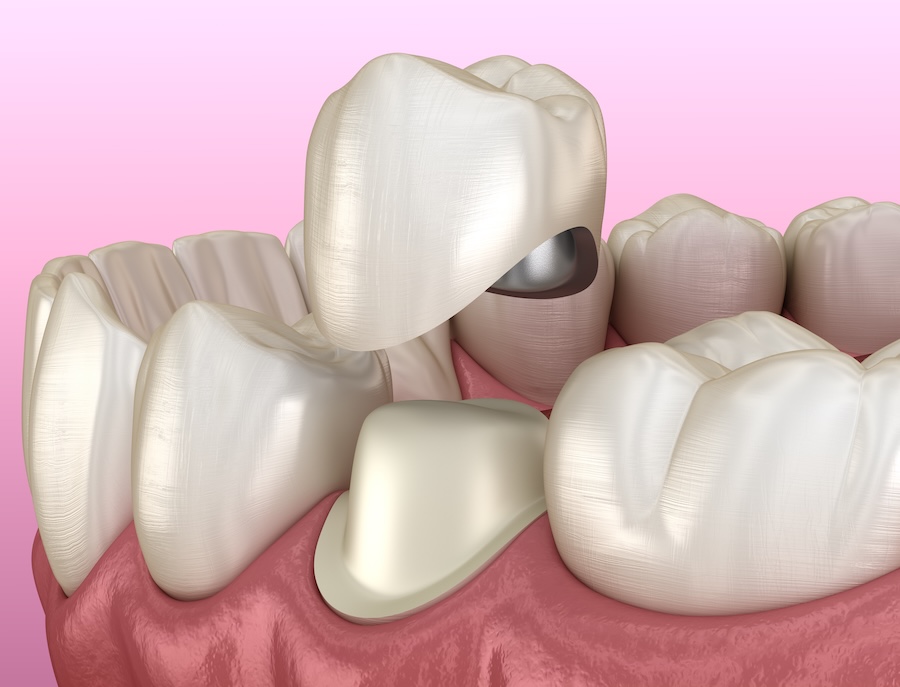
A dental crown — sometimes called a “cap” — is a custom‑made covering that fits over a damaged or weakened tooth. It restores strength, function, and appearance. Think of it like a helmet for your tooth: it protects what’s underneath and lets you chew and speak without worry.
Crowns are often used when a filling isn’t enough to restore a tooth that’s cracked, worn, or has had a large portion removed due to decay.
Why Would I Need a Crown?
There are several common situations where a crown is recommended:
- A tooth with a large filling that needs more support
- A cracked or fractured tooth
- A tooth that has had a root canal
- A tooth that’s severely worn from grinding or clenching
- A tooth with cosmetic concerns that can’t be corrected with a simple filling
Crowns help the tooth function normally while protecting it from further damage.
What Are Crowns Made Of?
Crowns can be made from different materials, each with its own benefits:
Porcelain or ceramic: Looks very natural and matches the color of your other teeth; often used for front teeth.
Porcelain fused to metal: Strong and visually appealing; may show a slight line at the gumline over many years.
Zirconia: Very strong and tooth‑colored — good for both front and back teeth.
Gold or metal alloys: Extremely durable and gentle on opposing teeth; usually used for back teeth where appearance is less visible.
Dr. Wagner or Dr. Langston will discuss which material is most appropriate based on the tooth’s location, your bite, and your goals.
What Happens During Crown Placement?
Getting a crown typically takes two appointments:
First Visit — Preparation:
- Your dentist shapes the tooth so the crown will fit properly.
- An impression (digital scan or mold) is taken of your teeth.
- A temporary crown is placed to protect the tooth while the permanent one is being made.
Second Visit — Final Placement:
- The temporary is removed.
- The custom crown is checked for fit, comfort, and bite.
- Once everything feels right, it’s bonded into place.
In many cases, modern technology allows a crown to be designed and milled in‑office the same day — depending on your needs and schedule.
Does It Hurt to Get a Crown?
Most people find the process very manageable. We use local numbing so you don’t feel pain during the shaping of the tooth. Some pressure or vibration is normal, but discomfort is minimal. After the numbing wears off, mild sensitivity around the treated tooth and gums can occur for a day or two — that’s part of your body settling in.
If any discomfort persists or feels unusual, your dental team is always available to check in and adjust as needed.
How Long Do Dental Crowns Last?
With regular care, crowns can last many years. The lifespan varies from person to person, but a common range is 8–15 years or longer. A few factors that influence longevity include:
- Oral hygiene habits
- Bite forces (like grinding or clenching)
- Diet and chewing patterns
- Regular dental check‑ups
Routine brushing, flossing, and dental visits help both the crown and the underlying tooth stay healthy.
Can a Crown Decay?
Yes — the tooth underneath a crown can still develop decay, especially at the edge where the crown meets the tooth. That’s why daily hygiene and regular professional checkups are important: catching early changes helps you avoid more involved treatment down the road.
What if My Crown Feels High or Uncomfortable?
Right after placement, it’s not unusual for a crown to feel slightly different — that awareness usually fades in a day or two. But if your bite feels off, or you notice consistent discomfort when chewing, let us know. A small adjustment can make a big difference in how it feels.
Can I Eat Normally with a Crown?
Yes. Once the crown is in place and any immediate sensitivity has settled, you can eat normally. Like natural teeth, crowns are designed to handle everyday biting and chewing. For hard candies, ice, or hard nuts, use the same caution you would with any natural tooth to avoid unnecessary stress.
Dental Crowns at Wagner & Langston Family Dentistry in Jonesboro, AR
If you have questions about dental crowns — whether it’s timing, materials, or what’s right for your smile — call Wagner & Langston Family Dentistry. Dr. Katy Wagner and Dr. Jacob Langston can walk you through your options, examine the tooth in question, and explain what to expect with clarity and care.
Schedule a consultation today to learn more about your crown options and what makes the most sense for your long-term dental health.
Categorized in: Dental Crowns