
 Schedule Online
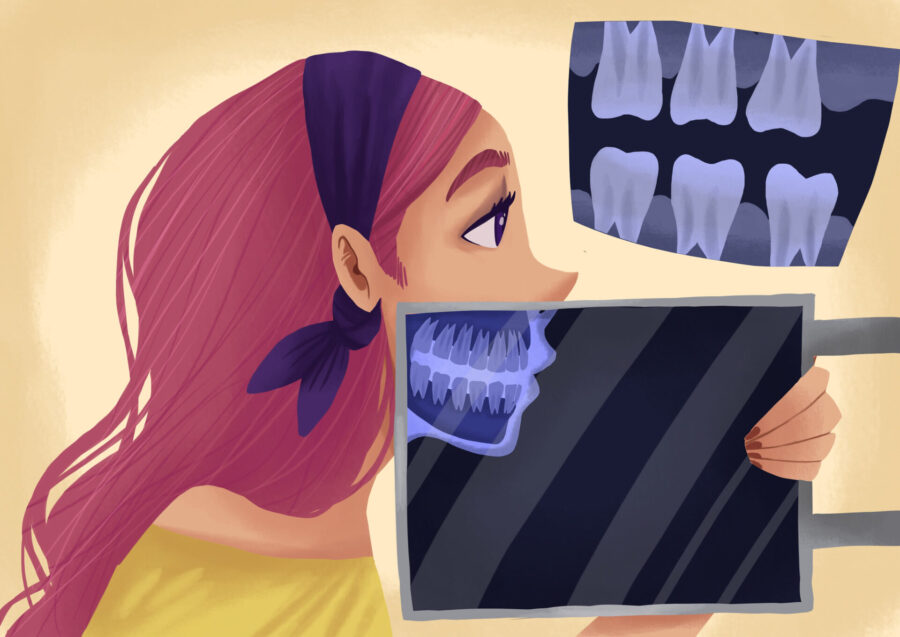
Why Do I Need X-Rays If My Teeth Feel Fine?
September 25, 2026 9:00 amYour teeth can feel completely normal while a small cavity starts between two molars, decay works its way under an old filling, or bone changes begin around the roots. That is one reason dental X-rays are such an important part of preventive care. They give us a chance to catch problems while they are still small, before they turn into something that hurts or needs more treatment.
At Wagner & Langston Family Dentistry in Jonesboro, Arkansas, Dr. Katy Wagner and Dr. Jacob Langston use dental X-rays to see the parts of your mouth that an exam cannot show on its own. The images help us check between teeth, below the gumline, around roots, and underneath restorations. They also give us something to compare over time so we can see whether an area is staying stable or starting to change.
Cavities Can Hide Between Teeth
Some cavities start in places you would have a hard time seeing even with a flashlight and a bathroom mirror. The contact between two back teeth is a common example because the enamel can look completely normal from above while decay is starting between them. You may still eat, drink, and floss without any pain.
Bitewing X-rays give Dr. Wagner or Dr. Langston a view of those hidden surfaces. A small dark area between two teeth can show decay long before that tooth develops the kind of ache that gets your attention. Catching it early may mean a smaller filling and less healthy tooth structure lost.
That is exactly what preventive care is supposed to do. We would much rather find a small problem during a routine visit than wait until a tooth starts throbbing or breaks. X-rays help us spot changes before they have had time to get bigger.
X-Rays Can See Under Older Dental Work
Fillings and crowns can serve you for years, but the natural tooth around and underneath them can still change. Decay may start along an edge, especially if a filling has worn down or a tiny gap has developed. From the chewing surface, everything can still look intact.
X-rays can help us see areas hidden beneath or beside an existing restoration. If a filling has been in place for a long time, floss suddenly starts catching nearby, or something on the exam looks a little different, the image can show us what is happening underneath. From there, Dr. Wagner or Dr. Langston can decide whether the restoration is still holding up well or whether the tooth needs treatment.
A filling can look completely ordinary from the top while decay is starting along an edge underneath it. Catching that sooner can mean dealing with a small area instead of waiting until more of the tooth has been affected. That is one of the reasons we keep checking older dental work even when it is not causing any trouble.
The Roots and Bone Tell Their Own Story
The part of the tooth you see above the gums is only one piece of it. Each tooth also has roots surrounded by bone, and changes in those areas can affect how healthy and stable the tooth is. X-rays let us see much farther below the surface.
They can show changes around the end of a root, loss of bone around the teeth, or areas we need to watch in someone with gum disease. If a tooth has had a root canal, an X-ray can also help us check the tissues around the root over time. None of that information is visible during a visual exam alone.
Bone loss can happen gradually, and you may not feel anything while it is starting. X-rays help us keep an eye on the foundation around the teeth, not just the parts you can see in the mirror. That becomes even more important if we are tracking gum disease or watching a tooth that has had treatment in the past.
X-Rays Help Us Compare One Visit With the Next
Sometimes an X-ray is useful because of what it shows today. Other times, its value becomes clearer later when we compare it with a newer image. That comparison can show whether a suspicious area has stayed the same, improved, or started to change.
Maybe there is a spot between two teeth that we want to watch, or a bone level we want to keep an eye on. Having an earlier image gives Dr. Wagner or Dr. Langston a clear reference point. That can help us avoid treating something too soon while still catching a change before it becomes a larger problem.
For patients with a history of cavities or gum problems, those comparisons can be especially helpful over time. Patterns become easier to see when we have images from more than one visit. That gives us a much clearer picture of what is actually changing and what is staying put.
Do You Need X-Rays at Every Visit?
The schedule depends on your oral health, dental history, age, and risk for future problems. Someone who has had several recent cavities may need bitewing X-rays more often than someone who has gone years without decay. Gum disease, existing dental work, and new symptoms can also affect how often we recommend imaging.
If another dental office recently took X-rays, let us know so we can see whether those images can be transferred and used. That can sometimes save you from repeating images unnecessarily. We will look at how recent they are, what they show, and whether they give us the information we need.
When new images are needed, the type depends on what we are checking. We may be looking for decay between back teeth, checking bone levels, or evaluating one specific tooth. Dr. Wagner or Dr. Langston can explain what each image is meant to show.
What About Radiation?
Modern dental X-rays use a low dose of radiation, and we keep the number of images focused on the information needed for your care. Different types of X-rays answer different questions, so Dr. Wagner or Dr. Langston will choose the images that fit your dental history and exam.
A few bitewings may be used to check for cavities between back teeth, while a panoramic image can give us a broader view of the jaws and developing teeth. A full-mouth series may be helpful in other situations when we need more detail around the roots and bone. The imaging plan changes depending on what we are monitoring.
If you are pregnant or think you might be, let our team know before imaging. We can consider the timing, your dental needs, and the reason for the X-ray before moving forward. We can also answer any questions you have about the images being recommended.
X-Rays Are Part of Preventive Dental Care
The easiest dental problems to treat are usually the ones we find before they have had much time to grow. A small cavity between two molars may only need a filling, while that same area can become a much bigger repair if decay keeps spreading unnoticed. The same goes for bone loss, changes around a root, or decay sneaking in around older dental work.
X-rays also help us avoid guessing. If there is one tiny area between two teeth that looks suspicious, we can compare it with earlier images and see whether it has actually changed. Sometimes we watch it for another visit; sometimes we can see that it is starting to progress and take care of it before the tooth starts complaining.
When your teeth feel fine, we want to keep them that way. Preventive care works best when we can catch the small stuff before it turns into the thing that suddenly ruins your weekend. X-rays are one of the ways we stay ahead of those problems instead of waiting for pain to make the first announcement.
Dental X-Rays at Wagner & Langston Family Dentistry in Jonesboro, AR
You can walk into a dental appointment with no pain, no sensitivity, and no obvious problems and still have something starting where you cannot see or feel it yet. That may be a small cavity between two teeth, a change under an older filling, or bone loss beginning around the roots. Dental X-rays help us catch those changes before they have time to do more damage.
Dr. Katy Wagner and Dr. Jacob Langston use X-rays along with your exam, dental history, and what they see in your mouth to decide what needs treatment, what needs watching, and what looks healthy. The schedule is based on your own history and risk rather than one timetable for everyone.
If you are due for a checkup or have questions about when your next X-rays should be taken, schedule a visit with Wagner & Langston Family Dentistry in Jonesboro. We’ll keep an eye on the places you cannot see yourself and help catch small problems before they become bigger ones!
Image from Authority Dental under CC 2.0
Categorized in: Dental X-Rays, Preventive Dental Care