
 Schedule Online
The Dental Implant Timeline: From Consultation to Final Smile
August 21, 2026 9:00 amIf you are thinking about a dental implant, the timeline is probably high on your list of questions. You may want to know when the implant can go in, how long healing takes, and when you will finally have the finished tooth in place. Since implant treatment happens in stages, it helps to know what those stages actually look like before you get started.
For many patients, the process takes several months from beginning to end. However, a lot of that time is spent healing at home rather than sitting in the dental chair. Depending on your mouth, you may also need an extraction or bone graft before the implant goes in.
At Wagner & Langston Family Dentistry in Jonesboro, AR, Dr. Katy Wagner and Dr. Jacob Langston can map out the process based on what they see during your exam. Some cases are fairly straightforward, while others need a little more preparation before implant placement. Either way, you should know what is coming next and why the healing time is part of the plan.
The Dental Implant Timeline: From Consultation to Final Smile
A dental implant replaces the root portion of a missing tooth. Once the implant is stable in the jawbone, it can support a crown that looks and functions much like a natural tooth. Getting from that first consultation to the final crown usually happens over several separate visits.
If the tooth is already missing and you have enough healthy bone, the process may move along more quickly. On the other hand, if a damaged tooth still needs to come out or the area has lost bone, there may be an extra healing stage first. That is why two people getting implants in the same part of the mouth can end up with different schedules.
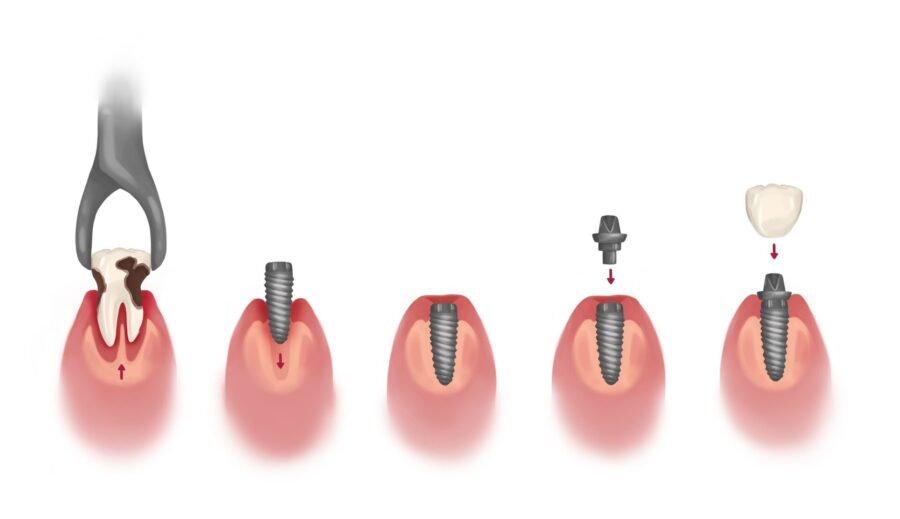
In general, treatment includes planning, any needed preparation, implant placement, healing, and the final restoration. The longest stretch is often the healing period after implant placement. During that time, the bone is becoming closely connected to the implant so it can handle chewing later.
So, while the overall process can take a few months, you are not coming in for treatment every week. Most of the timeline is giving your body time to heal between appointments.
Your First Dental Implant Consultation
Your first visit is about figuring out whether an implant is a good option for the missing tooth. Dr. Wagner or Dr. Langston will look at the space, the surrounding teeth, your gums, and your bite. They will also ask about your dental history, medications, and health conditions that could affect healing.
X-rays and 3D imaging may be used to look at the bone beneath the gums. Since the implant needs bone for support, Dr. Wagner or Dr. Langston needs to know how much bone is available and where nearby structures sit. That information helps determine where the implant can safely go.
This visit is also a good time to talk about what bothers you most about the missing tooth. Maybe chewing on that side has become awkward, or perhaps the gap shows when you smile. Those concerns can affect how the treatment is planned, especially if you will want a temporary tooth during healing.
By the end of the consultation, you should have a better idea of what your next step looks like. Some patients are ready to plan implant placement, while others need an extraction or bone graft first. Dr. Wagner or Dr. Langston can explain how those pieces fit into your timeline.
If the Tooth Still Needs to Come Out
Sometimes the tooth you want to replace is still there but cannot be saved. In that case, the extraction becomes the first part of the implant process. What happens after removal depends on the condition of the bone and gum tissue around the tooth.
For some patients, Dr. Wagner or Dr. Langston may be able to place the implant at the same appointment as the extraction. That can shorten the overall process, but only when the site has enough healthy bone and the implant can be placed securely. If the area needs more healing first, the implant will go in later.
You may need several weeks or a few months between the extraction and implant placement. During that time, the socket and surrounding tissues recover. If the tooth is in a visible area, you can also talk about temporary options so you are not left wondering what your smile will look like while you heal.
The main goal is to give the implant a healthy site to work with. Sometimes that means combining steps, while other times it means giving the area more time. Dr. Wagner or Dr. Langston can tell you which approach fits your tooth.
When a Bone Graft Becomes Part of the Timeline
After a tooth is lost, the bone in that area can gradually shrink because it no longer has a tooth root to support. Gum disease, infection, and previous dental problems can also leave less bone than an implant needs. If that happens, Dr. Wagner or Dr. Langston may recommend a bone graft.
A bone graft adds material to an area that needs more support. Sometimes a small graft can be placed at the same time as an extraction or implant. In other cases, the graft needs its own healing period before implant placement can happen.
That extra healing time may add several months to the process. It can feel like the part nobody was hoping to hear about, especially when you are ready to replace the tooth. However, the implant needs a stable foundation, and building up the bone first can make a big difference in how well the area supports it.
Not every implant patient needs a graft. If your bone is already strong and has enough volume, you may move right past this stage. Your imaging will give Dr. Wagner or Dr. Langston a much better idea of what the site needs.
The Day Your Dental Implant Is Placed
Once the area is ready, it is time to place the implant. The implant itself is a small post that sits in the jawbone where the tooth root used to be. Later, it will support the part of the restoration you see above the gum.
Dr. Wagner or Dr. Langston will numb the area before treatment begins. Then, the implant is carefully positioned in the bone. After placement, the gum tissue is managed around the site and your healing period begins.
You can expect some soreness, swelling, or tenderness for the first few days. That usually eases as the area settles down, and softer foods can make eating more comfortable at first. You will also receive instructions for keeping the area clean without irritating it.
At this point, the implant is in place, but the process is not finished yet. The bone now needs time to heal closely around it. That is what gives the implant the stability it needs for the final tooth.
Why the Implant Needs Time to Heal
After implant placement, the jawbone gradually forms a close connection around the implant. Dentists call this osseointegration, but the idea is pretty straightforward: the implant is becoming firmly supported by the bone around it. That usually takes a few months.
You may feel comfortable well before that healing is finished. In fact, after the early soreness settles, many patients do not feel much happening at all. Meanwhile, the bone beneath the gum is still doing the work that makes the next stage possible.
The amount of time can vary depending on where the implant sits, the quality of the bone, and how your body heals. Dr. Wagner or Dr. Langston will follow the area as it heals and decide when it is stable enough to move forward. They are looking at more than the number of weeks on the calendar.
During this stage, follow the instructions you receive for cleaning and chewing around the implant. Avoiding unnecessary pressure gives the area a better chance to heal comfortably. If pain or swelling starts increasing instead of improving, call the office so the site can be checked.
What Can You Eat While the Implant Heals?
Right after implant placement, softer foods are usually easier. Eggs, yogurt, pasta, cooked vegetables, soups, and softer proteins can help you avoid putting too much pressure on the surgical area. As the soreness improves, you can gradually work more of your usual foods back in.
For a while, try not to chew hard or crunchy foods directly over the implant site. Ice, hard candy, nuts, and similar foods can put more force on the area than you want during early healing. Even if the implant feels fine, the bone underneath still needs time.
You will also get instructions for brushing and keeping the area clean. The goal is to control plaque without being rough around healing tissue. As the gums settle down, your cleaning routine can usually return closer to normal.
Most people find eating gets much easier after the first few days. However, feeling better does not mean the implant has finished integrating. The deeper healing continues for quite a while after the tenderness fades.
Will You Have a Temporary Tooth?
If the implant is replacing a front tooth, one of your first thoughts may be, “What am I going to look like while this heals?” That is understandable, especially when the tooth shows every time you talk or smile. Fortunately, temporary tooth options are often available.
The type of temporary restoration depends on where the implant sits and how much pressure the area can handle. Some patients may use a removable temporary tooth, while others may qualify for a different provisional option. Whatever is used should protect the healing implant rather than overload it.
In some cases, a temporary crown can be placed relatively early. However, it may be designed mainly for appearance and kept out of heavy chewing contact while the implant heals. Dr. Wagner or Dr. Langston can explain what is realistic for your case.
Bring up appearance and day-to-day comfort during your consultation. If you have a wedding, work event, trip, or other plans coming up, that is good information for the dental team to have. It can help everyone plan the temporary stage more thoughtfully.
Checkups While the Implant Heals
You will have follow-up visits while the implant is healing. Dr. Wagner or Dr. Langston will check the gums, look for signs that the area is healing normally, and make sure plaque is not building up around the site. These visits also give you a chance to mention anything that feels different.
If the area is healing well, you continue giving the implant time. If something looks irritated, the dental team can address it before moving on. That is one reason follow-up care stays part of the process even when you feel fine at home.
Call sooner if pain starts getting worse, swelling increases, or you notice drainage or another unexpected change. Early soreness should gradually improve rather than build. If something does not seem right, the office can take a look.
As healing progresses, Dr. Wagner or Dr. Langston will determine when the implant is ready for the restoration stage. Once it has enough support, the focus turns to building the tooth you will actually see and use.
When the Abutment Is Added
After the implant has healed, the next piece may be the abutment. This is a small connector that sits between the implant in the bone and the crown above the gum. Depending on how your implant was placed, the abutment may go on during a separate visit.
If gum tissue covered the implant during healing, Dr. Wagner or Dr. Langston may need to expose the top of it before attaching the abutment. Then the gum is given some time to shape around that area. This healing period is usually much shorter than the months spent waiting for the implant to integrate.
Some implant systems handle this stage a little differently. In certain cases, the abutment may already be in place or may have been added earlier. Your dentist can explain how yours is being handled.
Once the gums look healthy and the implant is ready, the final crown can be planned. At that point, you are much closer to the finished tooth.
Making the Final Implant Crown
The implant may provide the foundation, but the crown is the part that needs to look and feel like it belongs in your mouth. Dr. Wagner or Dr. Langston will capture the shape of the implant area and your bite. That may involve digital scanning, impressions, or another method.
The crown is designed to fit the space between the neighboring teeth and meet the opposing tooth comfortably. It also needs to leave enough room for you to clean around it. Those small details can make a big difference once you are using the tooth every day.
When the crown is ready, it is connected to the implant through the abutment. Dr. Wagner or Dr. Langston will check the fit, appearance, and bite. If anything feels a little high or awkward, adjustments can be made.
Your tongue will probably notice the new tooth at first. That is normal with almost any new dental restoration. After you have been chewing, talking, and brushing around it for a while, it usually starts feeling much more familiar.
How Long Does the Full Dental Implant Process Take?
For many patients, the dental implant process takes several months. If the tooth is already missing, the bone looks healthy, and no graft is needed, the timeline may be on the shorter side. Even then, the implant still needs enough time to heal before it takes regular chewing pressure.
If you need an extraction, bone graft, or extra healing, the process may stretch beyond six months. That does not mean something has gone wrong. It usually means one part of the mouth needs more time before the next stage can safely begin.
After your consultation and imaging, Dr. Wagner or Dr. Langston can give you a more personalized estimate. They can tell you which steps apply to you and where most of the waiting time is likely to happen. That gives you something much more specific than a generic timeline you found online.
For many patients, the waiting is the hardest part to picture beforehand. Once treatment starts, though, much of that time passes between appointments while you go about your normal routine. Then, once the implant is ready, the final crown brings all of those stages together.
Can the Dental Implant Process Move Faster?
Sometimes, yes. An implant may be placed at the same appointment as an extraction, which can remove one healing stage from the schedule. In selected cases, a temporary tooth may also be attached sooner.
However, faster is only better when the implant site can support it. The bone has to be strong enough, the implant needs good stability, and the bite cannot put too much pressure on the area. Dr. Wagner or Dr. Langston will look at those factors before recommending a faster approach.
You may see phrases like “same-day implants” or “immediate implants” while researching treatment. Those options can work well for some people, but they are not a promise that every step is finished in one appointment. Even when a temporary tooth goes on quickly, the implant underneath still needs time to heal.
If timing is especially important because of work, travel, or another event, mention it during your consultation. Dr. Wagner or Dr. Langston can tell you where the schedule has flexibility and where healing time really cannot be rushed.
What Can Slow Implant Healing?
Some factors can make implant healing take longer. Smoking and nicotine use can interfere with healing, while certain health conditions may affect how well the bone and gums recover. Dr. Wagner or Dr. Langston will review your health history before treatment so they can plan around those concerns.
Plaque and gum inflammation around the implant can also make healing more difficult. That is why keeping the area clean is important, even while you are being gentle with the surgical site. Your dental team can show you how to clean around it during each stage.
Heavy pressure too early can also create problems. If you are asked to avoid chewing on the implant side for a while, there is a reason for that. The implant may feel secure before the surrounding bone has fully healed.
If healing takes longer than expected, Dr. Wagner or Dr. Langston can keep monitoring the site. Sometimes the best choice is simply giving the area more time. Moving forward when the implant is ready is more important than hitting a particular date.
Caring for Your Implant After the Final Crown
Once the final crown is in place, you care for the implant along with the rest of your teeth. Brush around it every day and clean where the crown meets the gum. While the implant itself cannot develop a cavity, the gum and bone around it can still become inflamed.
Plaque can collect around implant crowns just as it does around natural teeth. If it sits there long enough, the surrounding tissues can become irritated. Keeping that area clean helps protect the support around the implant.
Depending on the shape of the crown, Dr. Wagner or Dr. Langston may suggest floss, an interdental brush, or another cleaning aid. You do not need an elaborate routine, but you do want something that reaches the area comfortably. The easier it is to use, the more likely it is to become part of your normal routine.
Regular dental visits continue to be important too. The team can check the implant, gums, crown, and bite while also caring for your other teeth. If the implant ever starts feeling different, bring it up rather than waiting for your next routine cleaning.
Common Questions About the Dental Implant Timeline
How Soon After an Extraction Can I Get an Implant?
Sometimes Dr. Wagner or Dr. Langston can place the implant at the same appointment as the extraction. In other cases, the socket needs several weeks or months to heal first. The condition of the bone, any infection, and how stable the implant would be all affect that timing.
If you need a bone graft, the wait may be longer. Dr. Wagner or Dr. Langston can usually give you a much better estimate after looking at your X-rays or scans. They can also explain whether combining any of the steps is an option.
How Long Does a Dental Implant Take to Heal?
Many implants need a few months to become stable in the bone. Your bone quality, implant location, health, and healing response can all affect that timeframe. Some patients move through this stage faster than others.
You may feel back to normal long before the deeper healing is finished. That is why the dentist checks the implant before moving ahead with the final crown. Feeling comfortable and being ready for full chewing pressure are not always the same thing.
Will I Be Without a Tooth During Healing?
Not necessarily. Temporary tooth options are often available, especially when the missing tooth is visible when you smile. The best option depends on the implant location and how much pressure the area can safely handle.
If this is something you are concerned about, bring it up at the consultation. Dr. Wagner or Dr. Langston can explain what your smile may look like during each stage. That can make planning work, photos, travel, and social events much easier.
Does Getting a Dental Implant Hurt?
The area is numbed during implant placement, so you should not feel sharp pain during the procedure. Afterward, some soreness, swelling, and tenderness are common for a few days. Those symptoms should gradually improve as the area begins to heal.
If the pain becomes stronger instead of easing, call the office. Increasing swelling, drainage, fever, or another unexpected change should also be checked. Dr. Wagner or Dr. Langston can make sure the site is healing the way it should.
Why Do I Have to Wait for the Final Crown?
The implant needs time to become firmly supported by the jawbone. Even when your gums feel fine, healing is still happening below the surface. Putting full chewing pressure on the implant too soon can interfere with that process.
Once Dr. Wagner or Dr. Langston confirms that the implant is stable, the final restoration can move forward. That waiting period gives the foundation of your new tooth time to become secure. After that, the crown can do the everyday work of chewing.
Can I Get an Implant and Crown on the Same Day?
Some patients can receive an implant and a temporary tooth during the same general stage of treatment. However, not everyone has the bone strength, implant stability, or bite needed for that approach. The final crown may still come later after healing.
If you are interested in a faster timeline, ask about it during your consultation. Dr. Wagner or Dr. Langston can tell you whether your case is a good fit. They can also explain what “same day” would actually mean for your treatment.
Will a Bone Graft Add a Lot of Time?
A bone graft can add several months if it needs to heal before implant placement. However, smaller grafts can sometimes happen at the same time as an extraction or implant procedure. The amount of bone that needs to be rebuilt makes a difference.
If Dr. Wagner or Dr. Langston recommends a graft, ask where it fits into your schedule. They can show you what they see on your imaging and explain why the added support is needed. Knowing that upfront can make the longer timeline easier to plan around.
Plan Your Dental Implant at Wagner & Langston Family Dentistry in Jonesboro, AR
Replacing a missing tooth with an implant takes more than one appointment, but you are not spending months in constant dental treatment. Much of the time is devoted to healing while the implant becomes stable enough to support your final crown. Once you know whether you need an extraction, graft, or temporary tooth, the rest of the schedule starts to take shape.
At Wagner & Langston Family Dentistry in Jonesboro, AR, Dr. Katy Wagner and Dr. Jacob Langston can examine the area, answer your questions, and give you a timeline based on your own mouth. Whether the tooth has been missing for years or you are just beginning to think about replacement, they can help you plan the next step. Call Wagner & Langston Family Dentistry to schedule your dental implant consultation, and we’ll be glad to help you get started!
Image from Authority Dental under CC 2.0
Categorized in: Dental Implants